

How Audi is Reducing Its Carbon Footprint: Eco Innovations
Audi is reducing its carbon footprint by implementing sustainable manufacturing practices and producing electric vehicles. Through these initiatives, Audi is actively working towards environmental sustainability.
The company’s commitment to reducing emissions and promoting eco-friendly transportation is evident in its innovative approaches to manufacturing and product development. By focusing on sustainability, Audi is setting a positive example for the automotive industry and demonstrating its dedication to creating a greener future.
Let’s delve deeper into how Audi is making significant strides in reducing its carbon footprint and contributing to a more sustainable world.
Introduction To Audi’s Eco-friendly Mission
Audi is leading the way in reducing its carbon footprint through innovative eco-friendly initiatives. By prioritizing sustainability, Audi is actively working towards a greener future. Through various measures such as eco-friendly materials and efficient technologies, Audi is committed to environmental preservation.
Audi’s Commitment To Sustainability
Audi has been committed to reducing its carbon footprint and promoting sustainability for many years. The company recognizes the importance of environmental protection and is constantly working towards finding innovative solutions to reduce its impact on the environment. Audi’s eco-friendly mission is not only focused on reducing carbon emissions but also on reducing waste and conserving energy.Goals For Reducing Carbon Footprint
Audi has set ambitious goals for reducing its carbon footprint. The company aims to reduce the carbon emissions of its vehicles by 30% by 2025. To achieve this, Audi is investing heavily in developing electric and hybrid vehicles. The company has also set a goal to make all of its factories carbon-neutral by 2025. To achieve this, Audi is investing in renewable energy sources such as wind and solar power. Audi’s commitment to sustainability goes beyond just reducing its carbon footprint. The company is also focused on reducing waste and conserving energy. Audi’s factories are designed to be energy-efficient, with features such as heat recovery systems and energy-efficient lighting. The company is also investing in recycling and waste reduction programs to minimize its environmental impact. In conclusion, Audi’s eco-friendly mission is focused on reducing its carbon footprint, reducing waste, and conserving energy. The company has set ambitious goals for achieving these objectives and is investing heavily in developing innovative solutions to achieve them. Audi’s commitment to sustainability is a testament to its dedication to protecting the environment and promoting a sustainable future.
Credit: reads.alibaba.com
Electric Vehicles Leading The Charge
The Rise Of E-tron Series
Audi’s commitment to sustainability is exemplified by the rise of its e-tron series. These electric vehicles are designed to offer high performance and luxury while minimizing environmental impact. By integrating cutting-edge technology with eco-friendly design, Audi is setting a new standard for sustainable transportation.
Infrastructure For Electric Mobility
Audi is not just producing electric vehicles; it is also investing in the infrastructure for electric mobility. The company has been actively involved in expanding the network of charging stations and promoting the adoption of electric vehicles. This proactive approach is crucial in ensuring that electric mobility becomes a viable and convenient option for consumers.
Manufacturing Innovations
Audi is implementing manufacturing innovations to reduce its carbon footprint. By using sustainable materials and energy-efficient processes, the company is committed to minimizing its environmental impact. This approach demonstrates Audi’s dedication to sustainability and responsible manufacturing practices.
Resource-efficient Production Processes
In order to reduce its carbon footprint, Audi has implemented resource-efficient production processes throughout its manufacturing facilities. By optimizing energy usage and minimizing waste, Audi is able to lower its environmental impact. The company has invested in state-of-the-art technologies that allow for the efficient use of resources, such as energy-saving machinery and advanced production techniques. This commitment to resource efficiency ensures that Audi’s manufacturing processes are as sustainable as possible.Use Of Recycled Materials
Audi is actively incorporating the use of recycled materials into its production processes, further reducing its carbon footprint. By utilizing materials that have been recovered from previous vehicles or other sources, Audi is able to minimize the need for new raw materials and decrease the energy required for production. Recycled materials not only help to conserve resources but also contribute to the reduction of greenhouse gas emissions. Audi’s dedication to incorporating recycled materials showcases its commitment to sustainability and environmental responsibility. By implementing resource-efficient production processes and utilizing recycled materials, Audi is making significant strides in reducing its carbon footprint. These manufacturing innovations demonstrate Audi’s commitment to sustainability and environmental stewardship.Sustainable Energy Solutions
Investment In Renewable Energy
Audi is committed to reducing its carbon footprint by investing in renewable energy sources. The company has made significant strides in harnessing the power of solar and wind energy to fuel its operations.
Carbon-neutral Factories
Audi has taken bold steps towards achieving carbon neutrality by implementing innovative technologies in its factories. The company ensures that its manufacturing processes are environmentally friendly, resulting in carbon-neutral production.
Green Logistics And Supply Chain
Audi is taking significant steps in reducing its carbon footprint by implementing green logistics and supply chain practices. By optimizing transportation routes, using electric vehicles, and promoting sustainable packaging, Audi is committed to minimizing its environmental impact throughout its supply chain.
Eco-friendly Transport Networks
Audi is committed to reducing its carbon footprint by implementing eco-friendly transport networks in its logistics and supply chain operations. By optimizing its transportation methods, the company aims to minimize emissions and contribute to a more sustainable future. Audi is actively exploring alternative transportation options such as electric vehicles and hybrid trucks. These vehicles are powered by cleaner energy sources, reducing greenhouse gas emissions and air pollution. By incorporating electric vehicles into their fleet, Audi is taking a significant step towards greener logistics. In addition to using electric vehicles, Audi is also investing in sustainable transportation infrastructure. The company is working on developing charging stations and infrastructure for electric vehicles, ensuring that their eco-friendly transport networks are supported by the necessary facilities.Supplier Sustainability Standards
Audi recognizes that sustainability extends beyond their own operations and into their supply chain. The company has implemented stringent supplier sustainability standards to ensure that their partners share their commitment to reducing carbon emissions and promoting environmental responsibility. Audi works closely with its suppliers to ensure that they adhere to strict sustainability criteria. This includes evaluating their environmental management systems, assessing their carbon footprint, and encouraging the use of renewable energy sources in their operations. By holding their suppliers to high sustainability standards, Audi is driving positive change throughout the entire supply chain. To further promote sustainability, Audi encourages collaboration and knowledge sharing with its suppliers. They provide support and resources to help suppliers implement sustainable practices and reduce their environmental impact. By working together, Audi and its suppliers are collectively striving towards a greener future. In conclusion, Audi’s dedication to green logistics and supply chain practices is evident through its efforts to develop eco-friendly transport networks and enforce supplier sustainability standards. By embracing electric vehicles and investing in sustainable infrastructure, Audi is leading the way towards a more sustainable and environmentally-friendly automotive industry. Through collaboration with suppliers, Audi is ensuring that sustainability is embedded throughout their entire supply chain.Lifecycle Analysis Of Audi Vehicles
When considering the environmental impact of vehicles, it’s crucial to analyze their entire lifecycle. This process, known as the Lifecycle Analysis of Audi Vehicles, involves evaluating the environmental effects from the raw material extraction to the manufacturing, usage, and eventual disposal or recycling of the vehicle. Audi has been diligently working on reducing its carbon footprint by implementing various measures across the lifecycle of its vehicles.
Reducing Emissions From Cradle To Grave
Audi is committed to reducing emissions from the earliest stages of vehicle production to the end of its lifecycle. By focusing on sustainable material sourcing, efficient manufacturing processes, and end-of-life vehicle management, Audi aims to minimize the overall environmental impact of its vehicles. This comprehensive approach ensures that Audi vehicles are environmentally responsible from the moment of conception to their eventual disposal.
Vehicle Recycling Programs
Audi has established robust vehicle recycling programs to manage the end-of-life phase of its vehicles effectively. These programs are designed to ensure that a significant portion of the vehicle components and materials are recycled or repurposed, reducing the amount of waste sent to landfills. By implementing innovative recycling initiatives, Audi demonstrates its commitment to environmental sustainability and responsible waste management.
Audi’s Collaborative Efforts For A Greener Future
Audi’s Collaborative Efforts for a Greener Future involve partnerships with environmental organizations and engagement in global eco-initiatives.
Partnerships With Environmental Organizations
- Collaborating with Greenpeace and World Wildlife Fund.
- Supporting Conservation International and The Nature Conservancy.
- Working with local green NGOs for community projects.
Engagement In Global Eco-initiatives
- Active involvement in Climate Action Summit and COP26.
- Commitment to UN Sustainable Development Goals.
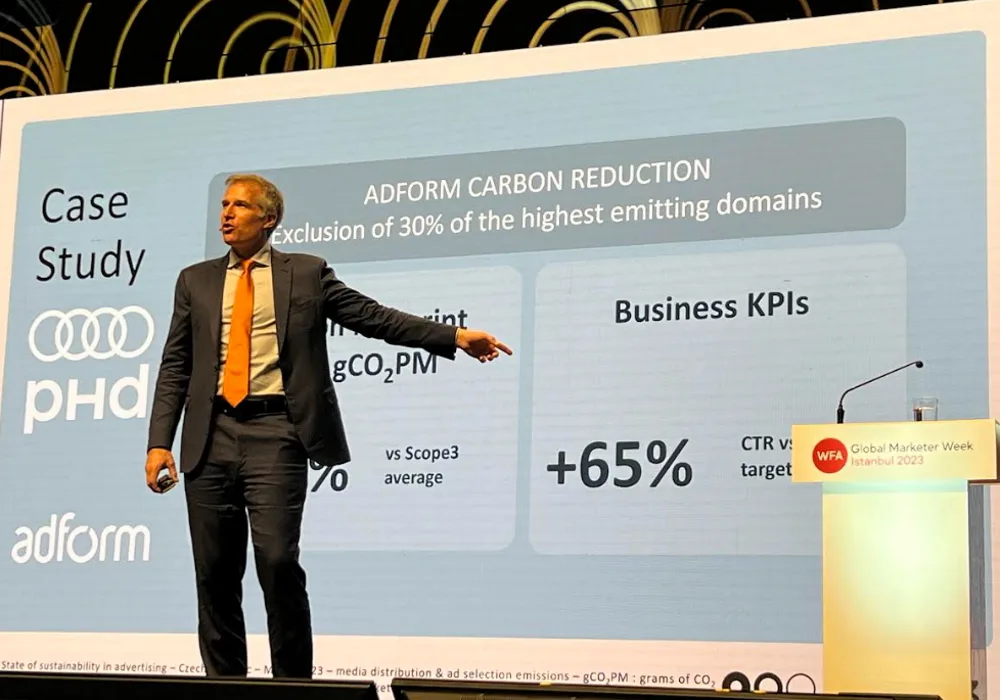
- Reducing emissions through sustainable practices and innovations.
Credit: newdigitalage.co
Consumer Engagement And Responsibility
Educating Consumers On Eco-friendly Practices
Audi actively educates consumers on eco-friendly practices through informative workshops and online resources.
Incentives For Driving Green
Audi provides incentives for driving green such as discounts on eco-friendly vehicle models.
Challenges And Future Roadmap
When it comes to reducing its carbon footprint, Audi faces numerous challenges. Let’s delve into the obstacles encountered and the exciting roadmap for the future.
Overcoming Barriers To Sustainability
Audi has tackled various challenges to become more sustainable, including reducing emissions in manufacturing.
They also strive to enhance energy efficiency and promote a culture of sustainability among employees.
Plans For The Next Decade
In the next decade, Audi plans to introduce more electric models and expand renewable energy usage.
They aim to achieve carbon neutrality across their operations and supply chain by 2030.

Credit: www.audi.com
Frequently Asked Questions
How Is Audi Reducing Its Carbon Footprint?
Audi is reducing its carbon footprint through various initiatives such as investing in electric vehicles, improving fuel efficiency in their traditional vehicles, and implementing sustainable manufacturing practices. By embracing renewable energy sources and reducing emissions throughout their operations, Audi is committed to minimizing their impact on the environment.
Are Audi’s Electric Vehicles Environmentally Friendly?
Yes, Audi’s electric vehicles are environmentally friendly. They produce zero tailpipe emissions, reducing air pollution and greenhouse gas emissions. Electric vehicles also have a lower overall carbon footprint compared to traditional combustion engine vehicles, as they can be charged using renewable energy sources such as solar or wind power.
What Steps Is Audi Taking To Improve Fuel Efficiency?
Audi is continuously working to improve fuel efficiency in their vehicles. They are investing in advanced technologies such as hybrid powertrains, lightweight materials, and aerodynamic designs. Additionally, Audi is optimizing their engines and implementing start-stop systems to reduce fuel consumption and emissions during idle or low-speed situations.
These efforts contribute to a more sustainable and efficient driving experience.
Conclusion
Audi’s commitment towards reducing its carbon footprint is commendable. By investing in innovative technologies and adopting sustainable practices, the brand has set an example for others to follow. The company’s focus on electric mobility and renewable energy sources is a step towards achieving a greener future.
By taking responsibility for its impact on the environment, Audi has gained the trust of its customers and contributed towards a more sustainable world. It is essential for businesses to prioritize sustainability, and Audi has shown that it is possible to do so without compromising on performance or quality.


