

An Interview With Audi’s Chief Designer: Creative Insights
In an exclusive interview, Audi’s Chief Designer shared insights on their design philosophy and upcoming projects. With a focus on innovation and elegance, Audi continues to push boundaries in the automotive industry.
The Chief Designer highlighted the importance of blending technology with aesthetics to create timeless designs that resonate with consumers. Their commitment to sustainability and cutting-edge technology sets them apart in the competitive market. Stay tuned for more updates on Audi’s exciting design journey.
Introduction To Audi’s Design Philosophy
In an exclusive interview with Audi’s Chief Designer, delve into the brand’s design philosophy. Gain insights into Audi’s innovative approach to combining elegance and cutting-edge technology in their iconic vehicle designs. Explore how Audi continues to set trends in the automotive industry through its visionary design concepts.
Audi, the renowned German automobile manufacturer, has long been admired for its sleek and sophisticated designs. The brand’s commitment to excellence in both form and function is evident in every vehicle they produce. In this interview with Audi’s Chief Designer, we delve into the heart of Audi’s design philosophy, exploring the core principles that shape their aesthetics and the evolution of their design language.
Core Principles Shaping Audi’s Aesthetics
Audi’s design philosophy is rooted in a set of core principles that guide their approach to creating visually striking and technologically advanced vehicles.
- Functionality: Audi believes that form should always follow function. Their designs prioritize functionality to ensure that every element serves a purpose and enhances the overall driving experience.
- Progressive Simplicity: Audi embraces a philosophy of “progressive simplicity,” where they strive to create designs that are both innovative and clean. This approach results in sleek lines, minimalistic details, and a timeless appeal.
- Attention to Detail: Audi’s meticulous attention to detail is evident in every aspect of their designs. From the precisely sculpted surfaces to the precisely placed accents, every element is carefully considered to create a harmonious and captivating aesthetic.
- Iconic Singleframe Grille: One of Audi’s most recognizable design elements is the iconic Singleframe grille. This distinctive feature not only adds a touch of elegance to their vehicles but also serves as a functional component, optimizing airflow and cooling.
Evolution Of Audi’s Design Language
Over the years, Audi’s design language has evolved, adapting to the changing trends and technological advancements while staying true to their core principles.
The early designs of Audi vehicles exuded a sense of understated elegance, with clean lines and a focus on aerodynamics. As technology progressed, Audi embraced new possibilities, incorporating advanced lighting systems, futuristic styling cues, and innovative materials.
Today, Audi’s design language has evolved to reflect a perfect balance between tradition and innovation. Their vehicles boast a harmonious blend of classic elements and cutting-edge features, resulting in a distinctive and dynamic aesthetic that appeals to both loyal Audi enthusiasts and new admirers alike.
Overall, Audi’s design philosophy is a testament to their unwavering commitment to excellence, pushing the boundaries of automotive design and creating vehicles that are both visually captivating and technologically advanced.

Credit: www.thenewsmarket.com
Meet The Mastermind Behind Audi’s Latest Models
Meet the Mastermind Behind Audi’s Latest Models. We had the privilege of sitting down with Audi’s Chief Designer, [Name], to gain insight into the creative process that brings their stunning vehicles to life.
Career Path To Chief Designer
The journey to becoming a Chief Designer at Audi is no small feat. [Name]‘s career path is a testament to hard work and dedication. Starting as a design intern at a young age, [Name] quickly proved to be a rising star in the industry. Through innovative design concepts and a keen eye for detail, [Name] steadily climbed the ranks, eventually earning the esteemed title of Chief Designer at Audi.
Inspirations And Influences In Design
For [Name], design is more than just a profession – it’s a passion. Drawing inspiration from nature, architecture, and cutting-edge technology, [Name] seamlessly integrates these elements into Audi’s latest models. The result is a perfect harmony of form and function, setting new standards in automotive design.
The Design Process At Audi
In this interview with Audi’s Chief Designer, we gain insight into the intricate design process that brings Audi’s iconic vehicles to life. From concept to reality, Audi’s design team meticulously crafts each model with a careful balance of functionality and style.
From Concept To Reality
The design process at Audi begins with the conceptualization of a new vehicle. The team brainstorms and sketches ideas, exploring various shapes and forms that will capture the essence of Audi’s brand identity. These initial concepts serve as the foundation for the development of the final design.
Once a concept is selected, the designers move on to creating detailed 3D digital models. This allows them to refine the proportions, contours, and overall aesthetics of the vehicle. Through this iterative process, the design gradually evolves, ensuring that every angle and curve aligns with Audi’s design philosophy.
Balancing Functionality And Style
Audi’s design philosophy goes beyond mere aesthetics. The team strives to strike a delicate balance between functionality and style, creating vehicles that not only look stunning but also perform exceptionally well.
During the design process, the team considers the practicality of the vehicle, ensuring that it meets the needs and desires of Audi’s discerning customers. From spacious interiors to ergonomic controls, every aspect is meticulously planned to enhance the overall user experience.
At the same time, Audi’s designers never compromise on style. The sleek lines, bold grilles, and distinctive lighting signatures are carefully crafted to make a statement on the road. The fusion of form and function is what sets Audi apart in the automotive industry.
Ultimately, the design process at Audi is a harmonious blend of creativity, engineering, and attention to detail. It is the culmination of countless hours of brainstorming, sketching, modeling, and refinement. Through this meticulous approach, Audi continues to push the boundaries of automotive design, creating vehicles that evoke emotion and captivate the senses.
The Role Of Technology In Modern Car Design
Technology has revolutionized every aspect of our lives, and the world of car design is no exception. In this interview with Audi’s Chief Designer, we delve into the innovations driving Audi’s designs, as well as the crucial role technology plays in shaping the future of car design.
Innovations Driving Audi’s Designs
When it comes to pushing the boundaries of car design, Audi has always been at the forefront. Through their commitment to innovation, Audi continues to introduce cutting-edge technologies that redefine the driving experience.
One such innovation is the extensive use of lightweight materials like carbon fiber reinforced polymers (CFRP) and aluminum alloys. These materials not only enhance fuel efficiency but also improve the overall performance and handling of Audi vehicles.
Audi has also embraced the power of electric mobility. With the introduction of their e-tron lineup, Audi combines advanced electric drivetrains with sleek and aerodynamic designs. This not only reduces carbon emissions but also provides a thrilling driving experience.
Another noteworthy innovation is Audi’s Virtual Cockpit. By replacing traditional dials and gauges with a customizable digital display, Audi has created a more intuitive and immersive driving experience. This technology seamlessly integrates information and entertainment systems, ensuring drivers have all the necessary information at their fingertips.
Sustainability And Future Mobility
In recent years, sustainability has become a key focus in the automotive industry. Audi is committed to reducing its environmental impact through the development of sustainable mobility solutions.
One of the ways Audi promotes sustainability is through their use of alternative fuels. Audi’s e-gas and e-diesel fuels are produced using renewable energy sources, resulting in significantly lower CO2 emissions compared to conventional fuels.
Audi is also actively exploring future mobility solutions, such as autonomous driving and connected technologies. These advancements aim to improve safety, efficiency, and convenience on the road. By integrating technology into the design process, Audi is shaping the future of mobility.
Furthermore, Audi is committed to creating a circular economy, where materials are recycled and reused. This not only reduces waste but also minimizes the need for raw materials, making Audi’s designs more sustainable and environmentally friendly.
Technology has become an integral part of modern car design, enabling automotive companies like Audi to push the boundaries of innovation. Through their focus on sustainability, Audi is not only designing visually stunning vehicles but also shaping the future of mobility. With advancements in lightweight materials, electric drivetrains, and digital technologies, Audi continues to redefine what it means to drive a luxury vehicle in the 21st century.
Challenges In The Automotive Design Industry
The automotive design industry is faced with a multitude of challenges, from meeting consumer expectations to adapting to regulatory changes. These challenges require a combination of innovation, creativity, and strategic planning to navigate successfully. In an exclusive interview with Audi’s Chief Designer, we gained valuable insights into the key challenges that the automotive design industry is currently grappling with.
Navigating Consumer Expectations
Consumer expectations play a pivotal role in shaping the direction of automotive design. Innovative technologies, sustainable design practices, and seamless integration of digital interfaces are some of the key factors that consumers are demanding from modern vehicles. Designers are under constant pressure to strike a balance between aesthetic appeal and functional efficiency while also meeting the evolving needs of consumers.
Adapting To Regulatory Changes
Regulatory changes, especially in areas related to emission standards, safety requirements, and sustainability, have a profound impact on automotive design. Designers need to continuously stay abreast of these changes and integrate them into their design processes. This requires a flexible and adaptive approach to ensure that vehicles comply with the latest regulations without compromising on aesthetics or performance.
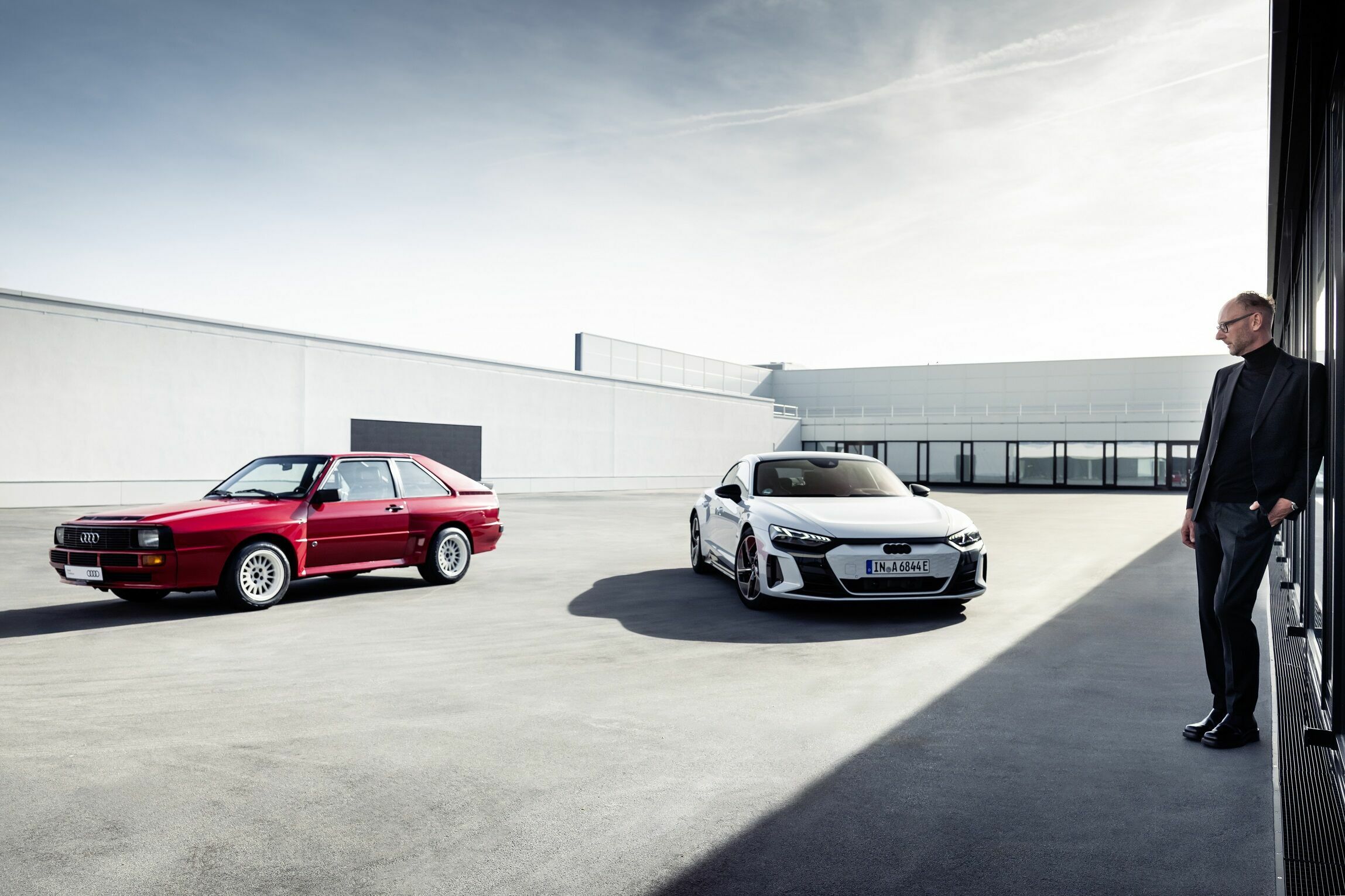
Credit: www.audi-mediacenter.com
Audi’s Design Strategy For The Next Decade
Audi’s Design Strategy for the Next Decade is a compelling topic that sheds light on the vision of the renowned automotive manufacturer. In a recent interview with Audi’s Chief Designer, we gained valuable insights into the company’s innovative approach to design, particularly in the context of the upcoming decade.
Embracing Electric Vehicles
Audi’s commitment to sustainability and innovation is evident in their emphasis on embracing electric vehicles (EVs). The Chief Designer emphasized the integration of advanced technologies and futuristic design elements to create a seamless and sophisticated experience for Audi’s electric vehicle lineup. This commitment to EVs is a testament to Audi’s dedication to environmental responsibility and forward-thinking design.
Pushing The Boundaries Of Luxury And Performance
When it comes to luxury and performance, Audi’s design strategy focuses on pushing the boundaries of conventional norms. The Chief Designer highlighted the company’s relentless pursuit of luxurious yet functional design, coupled with cutting-edge engineering to elevate the driving experience. Audi aims to redefine the concept of luxury and performance, setting new standards for the automotive industry in the next decade.
Exclusive Sneak Peek: Upcoming Audi Models
Get an inside look at the future of Audi with a sneak peek into the upcoming models straight from Audi’s Chief Designer. Discover the innovative design features and the futuristic appearance of Audi’s latest fleet.
Design Features To Anticipate
Explore the cutting-edge design elements expected in the next Audi models, including sleek lines and advanced technology integration.
The Future Look Of Audi’s Fleet
Experience a glimpse into the future aesthetics of Audi’s fleet, showcasing modern styling and sophistication.

Credit: www.cardesignnews.com
Reflections And Advice For Aspiring Designers
Embarking on a design career can be both challenging and rewarding. Let’s delve into the insights and suggestions from Audi’s Chief Designer.
Lessons Learned In The Design Journey
1. Creativity is essential in automotive design.
2. Attention to detail is crucial for a successful design.
3. Collaboration with engineering teams is key in the design process.
Tips For Success In Automotive Design
1. Stay updated with the latest design trends.
2. Network with professionals in the automotive industry.
3. Seek feedback to improve your design skills.
Frequently Asked Questions
What Inspired Audi’s Chief Designer To Pursue A Career In Design?
Audi’s Chief Designer, Marc Lichte, was inspired by the work of his father, who was an architect. He was also fascinated by the shapes and designs of cars from a young age, which led him to pursue a career in design.
What Is Marc Lichte’s Design Philosophy?
Marc Lichte’s design philosophy is centered around the concept of “progressive luxury. ” He believes that a car’s design should be both functional and beautiful, and that it should always strive to push the boundaries of what is possible.
How Does Audi Approach The Design Process For New Models?
Audi approaches the design process for new models by first analyzing the needs and desires of their customers. They then use this information to develop a set of design principles that guide the development of each new model, ensuring that it meets the needs of their customers while also pushing the boundaries of design.
Conclusion
After speaking with Audi’s Chief Designer, it’s clear that designing a car goes far beyond just aesthetics. The process includes considering the brand’s identity, customer needs, and technological advancements. The team’s dedication to innovation, sustainability, and quality is evident in their designs.
Audi’s commitment to creating a unique and personalized experience for their customers is what sets them apart in the competitive automotive industry. It was truly fascinating to gain insight into the world of car design from such an accomplished designer.


