

Understanding Audi’s Adaptive Cruise Control: Drive Smarter
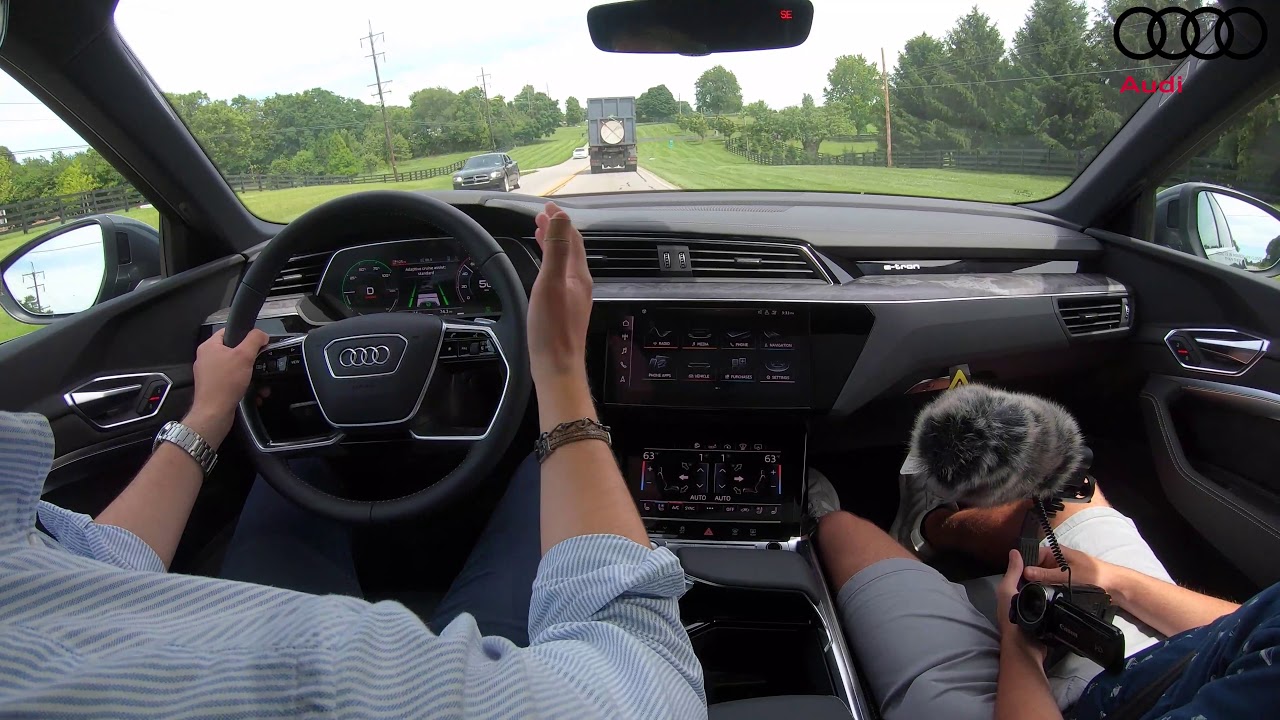
Audi’s Adaptive Cruise Control is a driver assistance system that maintains a safe distance from the vehicle in front while driving at a set speed. This system uses radar and camera sensors to detect other vehicles and adjust the speed accordingly.
Adaptive Cruise Control (ACC) is becoming increasingly popular in modern cars, especially in luxury models like Audi. This driver assistance system allows drivers to maintain a safe distance from the car ahead of them while driving at a consistent speed.
This helps reduce driver fatigue and stress, as well as the risk of accidents caused by sudden stops or unexpected traffic changes. Audi’s ACC system uses radar and camera sensors to detect other vehicles, and it automatically adjusts the speed to maintain a safe following distance. It can even bring the car to a complete stop and resume driving when traffic starts moving again. We’ll take a closer look at how Audi’s Adaptive Cruise Control works and how it benefits drivers.
Credit: www.youtube.com
The Evolution Of Cruise Control
Discover Audi’s cutting-edge Adaptive Cruise Control, revolutionizing driving comfort and safety with its advanced technology. Experience the evolution of cruise control like never before, tailored to enhance your driving experience.
Cruise control technology has come a long way since its inception, transforming from basic systems to advanced, intelligent features that enhance driving experiences. As one of the pioneers in automotive innovation, Audi has played a significant role in the development of cruise control systems. Let’s explore the milestones in Audi’s cruise control journey and how they have contributed to the evolution of this technology.
From Basic Systems To Advanced Technology
Cruise control, initially introduced as a basic system, allowed drivers to set a constant speed for their vehicles, providing convenience during long highway drives. However, with advancements in technology, cruise control has evolved to incorporate more intelligent and adaptive features, ensuring a safer and more efficient driving experience.
Today, Audi’s adaptive cruise control system stands at the forefront of this evolution. By utilizing a combination of radar and sensor technologies, Audi’s advanced cruise control system can detect the distance and speed of vehicles ahead, automatically adjusting the speed to maintain a safe following distance.
Audi’s Milestones In Cruise Control Development
Audi has achieved several significant milestones in the development of cruise control technology, constantly pushing the boundaries of innovation. Let’s take a closer look at some of these milestones:
- Introduction of Dynamic Cruise Control: Audi introduced Dynamic Cruise Control, which allowed drivers to set desired speeds and maintain them without needing to apply the brakes or accelerator manually.
- Integration of Radar Technology: Audi integrated radar technology into its cruise control system, enabling the detection of vehicles ahead and automatic speed adjustments to maintain a safe distance.
- Adaptive Cruise Control with Stop & Go Functionality: Audi’s adaptive cruise control system evolved to include a stop & go functionality, allowing the vehicle to come to a complete stop in traffic and resume driving when conditions permit.
- Integration of Predictive Data: Audi incorporated predictive data into its cruise control system, enabling the vehicle to anticipate speed limit changes, curves, and other road conditions, leading to smoother driving experiences.
- Introduction of Traffic Jam Assist: Audi introduced Traffic Jam Assist, a feature that combines adaptive cruise control with lane-keeping technology, allowing the vehicle to autonomously accelerate, brake, and steer in congested traffic conditions.
Audi’s dedication to innovation and continuous improvement has undoubtedly shaped the evolution of cruise control technology. By introducing advanced features and integrating cutting-edge technologies, Audi has created a cruise control system that not only enhances convenience but also prioritizes safety on the road.
Audi’s Adaptive Cruise Control Explained
Audi’s Adaptive Cruise Control is an advanced driver assistance system that helps drivers maintain a safe distance from the vehicle in front of them. It uses radar sensors and cameras to detect the distance and speed of the vehicle ahead, and adjusts the speed of the Audi accordingly. In this post, we will explain the key features and capabilities of Audi’s Adaptive Cruise Control and how it differs from traditional cruise control.
Key Features And Capabilities
Audi’s Adaptive Cruise Control has several key features and capabilities that make it a popular choice among Audi drivers. Some of the most notable features include:
- Automatic acceleration and braking: Audi’s Adaptive Cruise Control automatically accelerates or brakes the vehicle to maintain a safe distance from the vehicle in front of it.
- Stop-and-go capability: The system can bring the vehicle to a complete stop and then resume driving when traffic starts moving again.
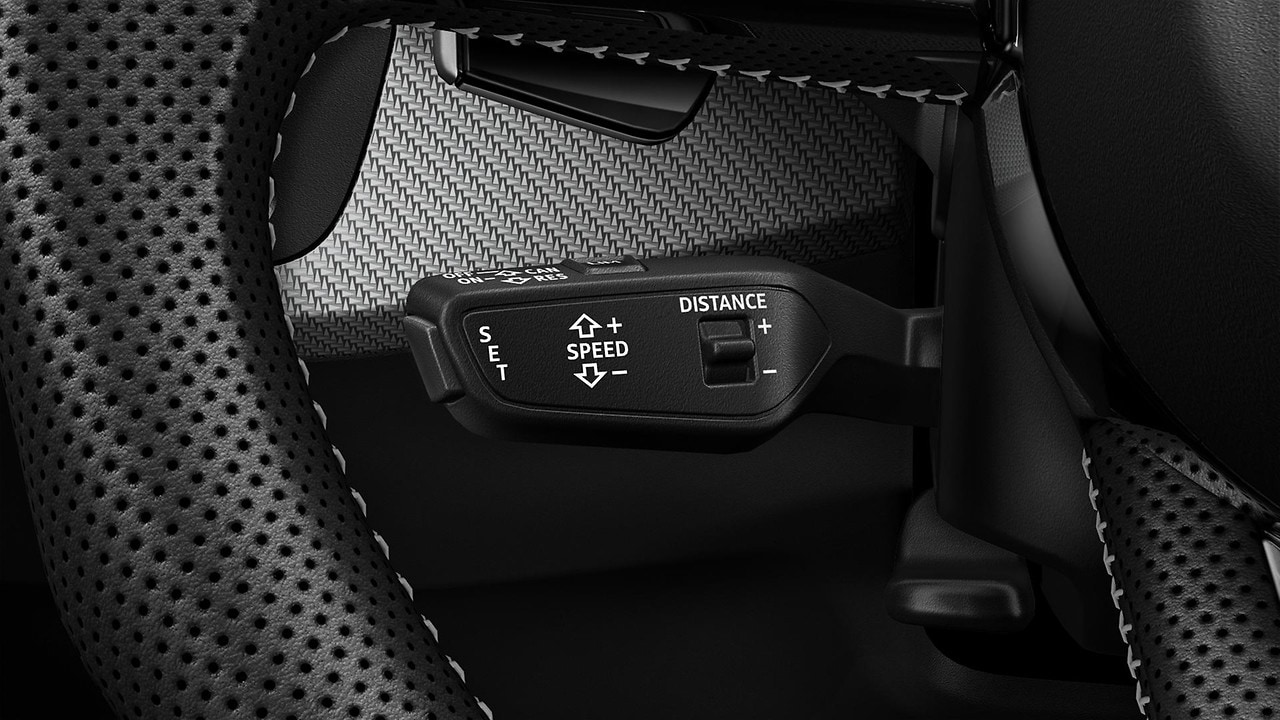
- Customizable distance settings: The driver can adjust the distance between their Audi and the vehicle in front of them, choosing from short, medium, or long distances.
- Lane guidance: Audi’s Adaptive Cruise Control can help keep the vehicle centered in its lane, making minor steering adjustments as needed.
- Pre-sense technology: The system can detect potential collisions and alert the driver with visual and audible warnings.
How It Differs From Traditional Cruise Control
While traditional cruise control simply maintains a constant speed, Audi’s Adaptive Cruise Control adjusts the speed of the vehicle based on the distance and speed of the vehicle ahead. This means that if the vehicle in front of the Audi slows down, the Audi will also slow down to maintain a safe distance.
Additionally, Audi’s Adaptive Cruise Control has the stop-and-go capability, which means that it can bring the vehicle to a complete stop in traffic and then resume driving when traffic starts moving again. Traditional cruise control does not have this capability and cannot bring the vehicle to a complete stop.
Overall, Audi’s Adaptive Cruise Control is an advanced driver assistance system that provides drivers with an added layer of safety and convenience on the road. With its automatic acceleration and braking, customizable distance settings, and other features, it’s no wonder why it’s such a popular choice among Audi drivers.
The Mechanics Behind The Intelligence
When it comes to advanced driver assistance systems, Audi’s Adaptive Cruise Control (ACC) stands out for its remarkable intelligence. This technology not only maintains a set speed but also adjusts the vehicle’s speed to match the flow of traffic. Underneath this intelligent system lies a complex set of mechanics that make it all possible. In this article, we will delve into the mechanics behind Audi’s Adaptive Cruise Control, focusing on two key components: sensors and cameras, and software algorithms.
Sensors And Cameras: The Eyes Of The System
The first crucial component of Audi’s Adaptive Cruise Control is the system’s sensors and cameras. These act as the eyes of the system, constantly monitoring the road and surrounding environment to gather essential data. Through a combination of radar sensors, laser scanners, and cameras strategically placed around the vehicle, the system can detect and track other vehicles, pedestrians, and objects in real-time.
These sensors and cameras work together to provide a comprehensive view of the road ahead, ensuring the system can react promptly and accurately to any changes in traffic conditions. The radar sensors measure the distance and relative speed of the vehicles in front, while the cameras capture detailed images and recognize traffic signs and lane markings.
Software Algorithms: The Brain Processing Data
While the sensors and cameras provide the necessary data, it is the software algorithms that make sense of this information and enable the system to make intelligent decisions. These algorithms act as the brain behind the Adaptive Cruise Control, processing the data in real-time and determining the appropriate actions to take.
The software algorithms analyze the data from the sensors and cameras, considering factors such as the distance to the vehicle in front, the relative speed, and the lane position. Based on this analysis, the system can then adjust the vehicle’s speed, accelerate, or decelerate, to maintain a safe distance from the vehicle ahead.
This intelligent decision-making process happens seamlessly and continuously, ensuring a smooth and safe driving experience. The software algorithms also take into account the driver’s inputs and preferences, allowing them to customize the system’s behavior according to their driving style.
In conclusion, Audi’s Adaptive Cruise Control relies on a sophisticated combination of sensors, cameras, and software algorithms to provide an intelligent driving experience. By understanding the mechanics behind this technology, drivers can fully appreciate the level of sophistication and safety that Audi has incorporated into their vehicles.

Credit: www.jdpower.com
Safety First With Audi
When it comes to driving, safety should always be the top priority. Audi understands this and has developed innovative features to enhance driver safety on the road. One such feature is Audi’s Adaptive Cruise Control, which not only offers convenience but also ensures a safer driving experience.
Enhancing Driver Safety On The Road
Audi’s Adaptive Cruise Control is designed to keep you safe by maintaining a safe distance from the vehicle in front of you. It uses a combination of radar and sensors to detect the speed and distance of the vehicle ahead, automatically adjusting your speed to maintain a safe following distance. This not only reduces the risk of rear-end collisions but also allows for a more relaxed and stress-free driving experience.
Collision Avoidance And Mitigation
In addition to maintaining a safe distance, Audi’s Adaptive Cruise Control also incorporates collision avoidance and mitigation systems. These systems use advanced technology to detect potential collisions and take action to prevent or reduce their severity. For example, if the system detects a sudden decrease in the speed of the vehicle ahead, it will automatically apply the brakes to help avoid a collision. This proactive approach to safety can make a significant difference in preventing accidents and protecting both the driver and passengers.
Moreover, Audi’s Adaptive Cruise Control system also includes features such as lane assist and traffic jam assist, which further enhance safety on the road. Lane assist helps to keep the vehicle within its lane by providing gentle steering inputs, while traffic jam assist can take over the acceleration, braking, and steering in heavy traffic conditions. These features not only reduce the risk of accidents but also make driving more convenient and enjoyable.
In conclusion, Audi’s Adaptive Cruise Control is a remarkable safety feature that prioritizes the well-being of drivers and passengers. With its ability to maintain a safe following distance, detect potential collisions, and assist in heavy traffic, it offers a level of safety and convenience that is unmatched. So, if you’re looking for a car that puts safety first, Audi should be at the top of your list.
User Experience With Adaptive Cruise Control
Discover Audi’s Adaptive Cruise Control for a seamless user experience. This advanced technology adjusts speed automatically, enhancing driving comfort and safety. Experience a smooth ride with intelligent cruise control innovation from Audi.
Ease Of Use And Accessibility
Audi’s Adaptive Cruise Control (ACC) is designed with intuitive controls and user-friendly interface, making it easy for drivers to understand and operate. The system’s accessibility is enhanced by the clear layout and ergonomic design of the control panel, allowing for seamless activation and adjustment of cruise control settings.
Driver Feedback And System Responsiveness
The driver receives real-time feedback from the ACC system, with clear visual and auditory alerts for any changes in speed or distance from the vehicle ahead. The system’s responsiveness to traffic conditions ensures smooth transitions between acceleration, deceleration, and maintaining a safe following distance.
Integrating With Audi’s Ecosystem
Connectivity With Other Driver Assistance Features
Audi’s Adaptive Cruise Control is designed to seamlessly integrate with other driver assistance features, creating a comprehensive ecosystem that prioritizes safety and convenience. The system not only monitors the speed and distance of the vehicle ahead but also communicates with other sensors and radars within the Audi network, enhancing overall driving experience.
Future Of Integrated Mobility Solutions
In the future, Audi’s integrated mobility solutions are set to revolutionize the driving experience. By leveraging advanced technologies, Audi aims to create a cohesive ecosystem where Adaptive Cruise Control works in harmony with other intelligent features, such as traffic jam assist and predictive efficiency assistant. This integration will pave the way for a more efficient and intuitive driving experience, setting new standards for mobility solutions.
Real-world Performance
Audi’s Adaptive Cruise Control offers a glimpse into the future of driving technology. Let’s explore how this system performs in real-world scenarios.
Case Studies: Adaptive Cruise Control In Action
- ACC maintains safe distance
- Smooth acceleration and braking
- Responsive to stop-and-go traffic
- Enhances driver comfort and convenience
Limitations And Considerations
- ACC may be affected by heavy rain or snow
- Dependent on clear road markings for optimal performance
Credit: www.audiwestmont.com
Adaptive Cruise Control And Autonomous Driving
Audi’s Adaptive Cruise Control offers a seamless driving experience, adjusting the vehicle’s speed to maintain a safe distance from the car in front. As we move towards autonomous driving, this technology represents a significant step in enhancing road safety and driver comfort.
Adaptive Cruise Control (ACC) is a key feature in the journey towards fully autonomous vehicles. ACC enables vehicles to automatically adjust their speed to maintain a safe following distance from the vehicle ahead.The Role In The Path To Full Autonomy
ACC is a fundamental building block in the progression towards autonomous driving. It allows vehicles to operate semi-autonomously by managing speed and distance from other vehicles.Challenges And Opportunities For The Future
Challenges: 1. Regulatory: Laws need to catch up with the technology. 2. Safety: Ensuring systems are fail-safe. 3. Infrastructure: Roads must support autonomous features. Opportunities: – Improved traffic flow and reduced accidents. – Enhanced driver comfort and reduced fatigue. – Potential for fully self-driving vehicles in the future.Frequently Asked Questions
What Is Audi’s Adaptive Cruise Control System?
Audi’s Adaptive Cruise Control system is an advanced driver assistance technology that automatically adjusts the vehicle’s speed to maintain a safe distance from the car ahead. It uses radar and sensors to monitor traffic conditions, providing a more relaxed driving experience.
How Does Audi’s Adaptive Cruise Control Work?
Audi’s Adaptive Cruise Control uses radar sensors to detect vehicles in front and adjusts the car’s speed accordingly. It can slow down or accelerate the vehicle to maintain a safe following distance, offering enhanced convenience and safety during long journeys.
What Are The Benefits Of Using Audi’s Adaptive Cruise Control?
Using Audi’s Adaptive Cruise Control can reduce driver fatigue, enhance comfort during long drives, and help maintain a safe distance from other vehicles. It also contributes to smoother acceleration and braking, improving overall driving experience.
Is Audi’s Adaptive Cruise Control Similar To Traditional Cruise Control?
Audi’s Adaptive Cruise Control differs from traditional cruise control as it can automatically adjust the vehicle’s speed to match the flow of traffic. This dynamic feature sets it apart, providing an added layer of convenience and safety for drivers.
Conclusion
Understanding Audi’s Adaptive Cruise Control can enhance your driving experience. With its advanced technology, safety features, and convenience, it offers a smooth and efficient ride. By incorporating adaptive cruise control, Audi has revolutionized the driving experience, making it safer and more enjoyable for drivers everywhere.


